
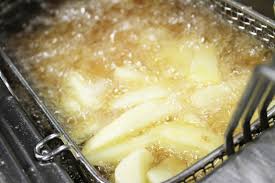
Proper disposal of cooking oil is an essential practice that contributes to environmental sustainability and reduces the risk of pollution. When not disposed of correctly, used cooking oil can cause significant harm to ecosystems, clog sewage systems, and create costly maintenance issues for municipalities. Therefore, understanding the environmental guidelines for disposing of cooking oil is crucial for both individuals and businesses.
One primary guideline is never to pour used cooking oil down the drain or toilet. Doing so can lead to blockages in plumbing systems as the oil solidifies upon cooling. This not only causes plumbing issues at home but also affects municipal wastewater treatment facilities by increasing maintenance costs and operational challenges. Instead, individuals should allow the oil to cool completely before deciding on a disposal method.
Recycling is one effective way proper ways to dispose of cooking oil responsibly. Many communities have recycling programs that accept used oils, converting them into biodiesel fuel or other useful products such as animal feed or industrial lubricants. Participating in these programs helps reduce waste and supports sustainable energy initiatives.
For those without access to recycling services, repurposing the oil at home may be a viable option. Used cooking oil can be filtered and reused several times for frying similar foods, provided it hasn’t degraded significantly in quality or flavor. Additionally, it can serve as a base ingredient for homemade soaps or candles—offering creative ways to minimize waste while crafting useful household items.
When neither recycling nor repurposing is feasible, proper containment becomes necessary before disposing of cooking oils with regular trash pickup services. Individuals should store cooled oils in sealable containers such as old jars or bottles made from non-breakable materials like plastic or metal before placing them in garbage bins designated for landfill-bound waste.
Businesses generating large quantities of used cooking oils must adhere strictly to local regulations concerning hazardous waste management practices set forth by environmental protection agencies (EPA) worldwide—ensuring compliance with legal standards designed specifically around safe handling procedures aimed at minimizing ecological impacts associated with improper disposal methods frequently encountered within commercial settings involving high-volume food production operations typical among restaurants catering establishments fast-food outlets etcetera where adherence regulatory frameworks paramount maintaining long-term viability environmentally conscious business models fostering positive community relations through proactive stewardship natural resources shared globally across diverse landscapes interconnected ecosystems supporting life myriad forms inhabiting planet Earth today tomorrow beyond foreseeable future generations yet unborn reliant upon collective actions undertaken present moment safeguard integrity planetary biosphere perpetuity harmonious balance human activity nature’s delicate equilibrium sustained indefinitely benefit all living beings coexisting peacefully together vibrant thriving world full potential possibilities awaiting discovery exploration realization dreams aspirations humanity united common purpose preserving beauty wonder existence itself forevermore!
